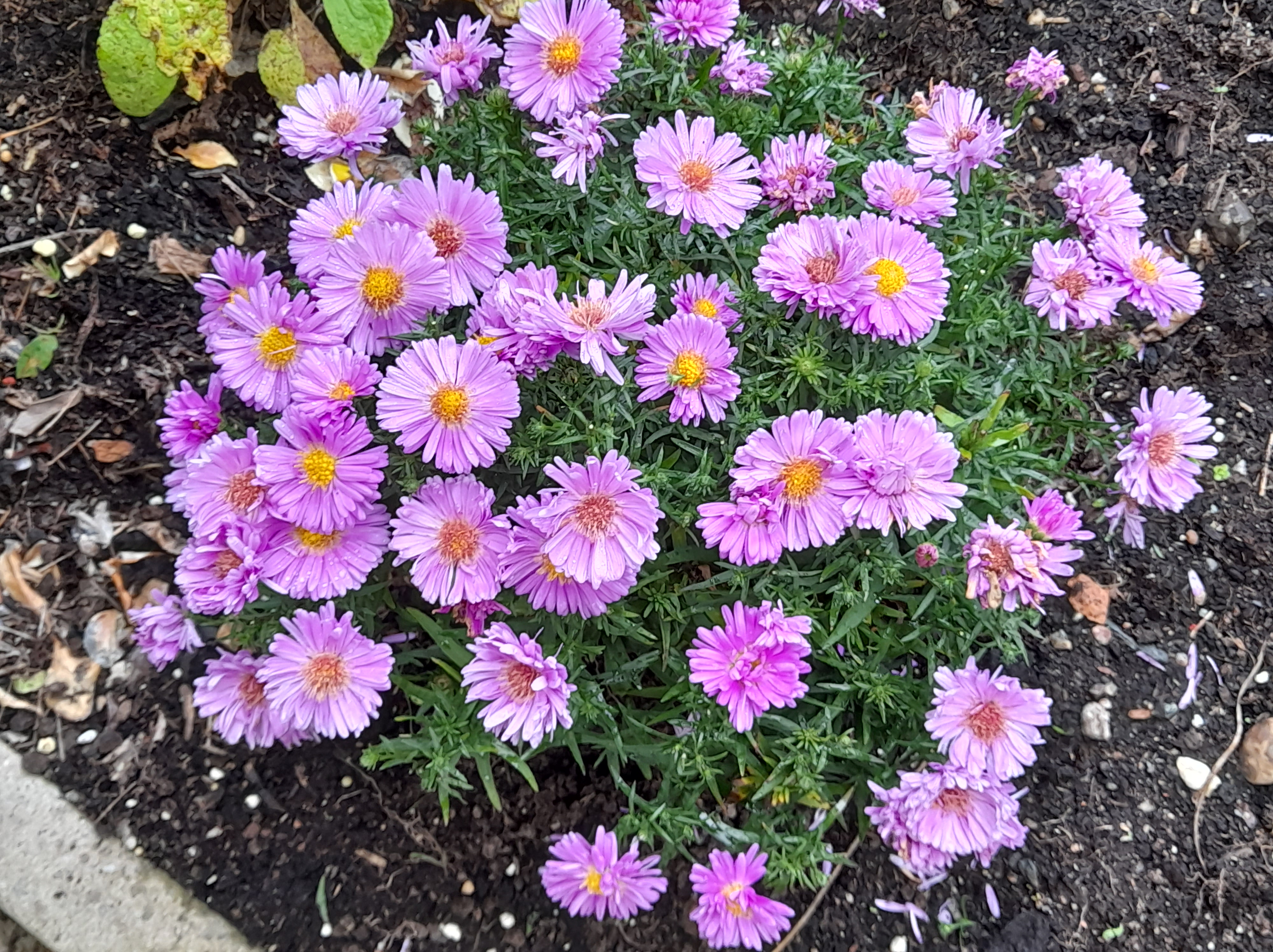
As I now follow the seasonal tree cycle suggested in The Ogham Grove* the common Elder, Sambucus nigra, is seen as the guardian of the West and Dusk, and as it falls into the period between the 12th and the 29th September, it is the tree of the Autumn Equinox. It is the 15th letter in the tree year: RUIS – R in Old Gaelic.
In Mandy Haggith’s wonderful anthology of tree poems Into The Forest* she opens the chapter on the elder tree describing it as more like a “scraggy shrub!” I love that expression! The elder tree is rarely seen as a full grown tree and is more usually found in hedgerows, or anywhere there is or was human habitation, where a phosphate rich soil is to be found (bones from domestic rubbish heaps or burial grounds). The wood of the tree has been used for small items such as pipes and whistles as the narrower branches have a soft core which can be hollowed out. The main areas of use though have been the medicinal properties garnered from the flowers in spring and the berries in autumn when cures for anti-inflammatory or anti-viral ailments are required.
It was said that having an elder tree growing near your home would protect it from evil. The leaves have a distinct smell, not a pleasant one, and small bunches would be hung in dairies and kitchens to keep flies away; sprigs of leaves would also be attached to horses bridles.
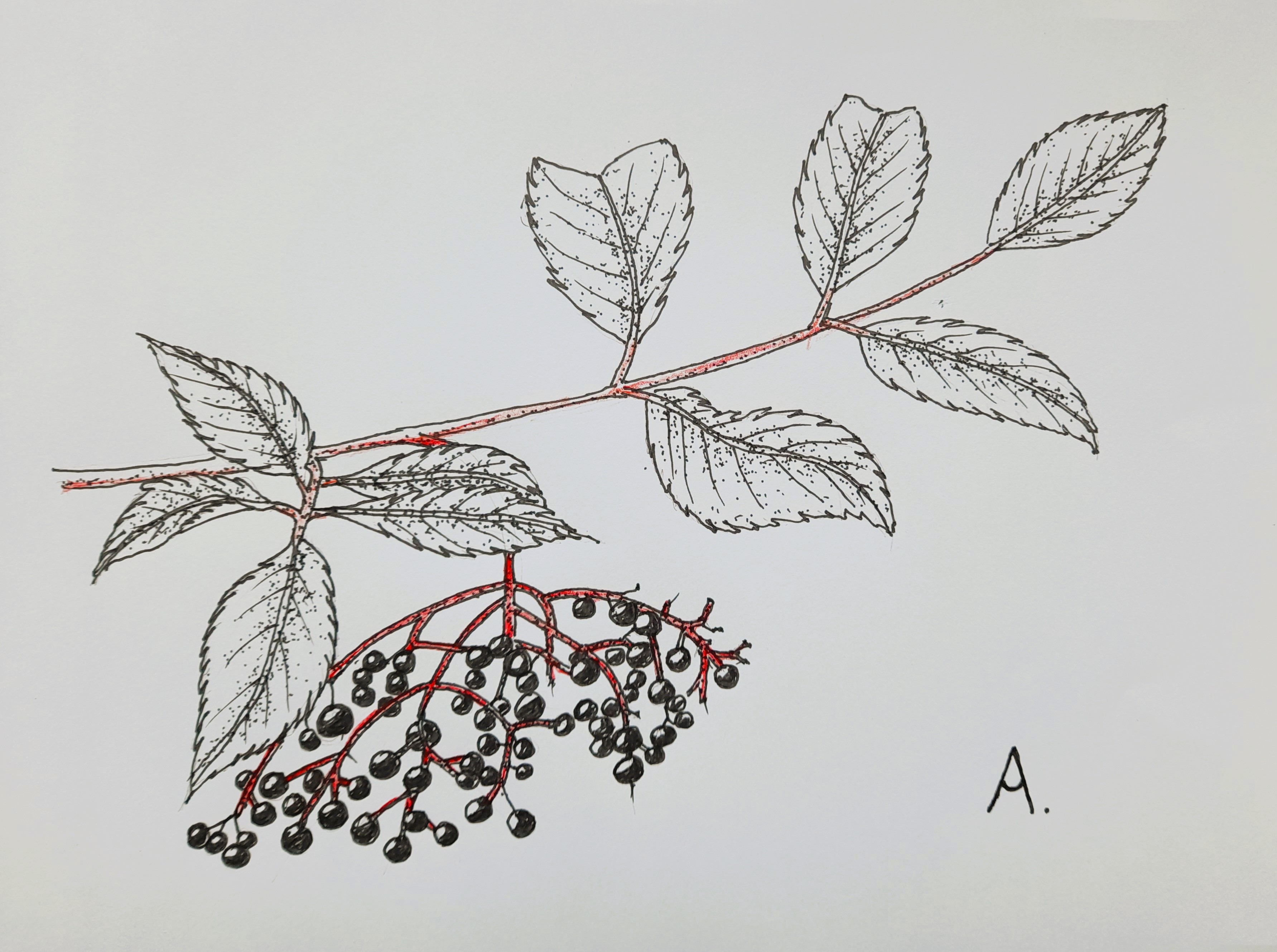
A sketch by myself after one by Lizzie Harper.*
Here is part of a poem that I wrote last year:
In autumn
..............berries like alien antennae,
hang;
shining, black, full of vigour,
they shiver on the air.
Ashley 🌳
*The Ogham Grove by Yuri Leitch – ISBN: 9781517653637
*Into the Forest: An Anthology of Tree Poems – edited by Mandy Haggith – ISBN: 978-190864318-6
*The Living Wisdom of Trees by Fred Hageneder with illustrations by Lizzie Harper – ISBN: 978-1-786783-33-2
Further reading: The Tree Dispensary: The uses, history and herbalism of native European trees by Christina Stapley – ISBN:978-1-91350-472-4